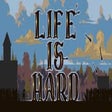
Life is Hard: A Norse‑tinged 2D settlement survival strategy
Life is Hard, developed by Pirozhok Studio and Vitaliy Ruzankin, is a Mac simulation that asks players to lead a tiny tribe toward survival and growth. The game blends 2D side‑scrolling town management with resource gathering, citizen assignment, diplomacy and deity powers to shape outcomes. Random events and hero units provide variation. It targets colony management and real‑time strategy fans seeking a deliberately challenging single‑player experience.
What kind of game is Life is Hard?
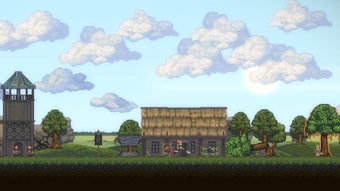
Life is Hard sits at the intersection of real‑time strategy and simulation, presented in a 2D side‑scrolling view rather than a top‑down map. The core loop tasks you with expanding a settlement from a handful of settlers into a defended town while balancing survival pressures. The design echoes classic management titles such as Stronghold and Settlers, combined with survival and RPG elements.
Does it have a multiplayer mode, and how do systems interact?
The game is built as a single‑player town manager, so all diplomacy, trade, and combat rest on player choices. Resource systems cover food, wood, and stone, while citizen profession assignment controls workforce output. Players can pursue peaceful trade or military action against raiders and mythical foes, and deity choices provide spells and hero units that alter tactical options.
What does the game look and sound like?
The presentation uses pixel art and a measured soundtrack, elements that many players praised for mood. The side‑scroll perspective frames buildings and combat on a horizontal plane, which changes line‑of‑sight and placement decisions compared with isometric sims. Audio cues help signal raids and events, supporting decision timing during tense moments.
Is it hard to get started and what drives replayability?
Onboarding places you immediately into scarcity and tradeoffs, with randomly generated events that repeatedly upset plans. Choice of one of six patron deities changes available spells and a hero unit, so deity selection and event randomness drive replay value. The open‑ended simulation also offers an optional Wonder of the World goal as a long‑term objective.
In summary, a distinctive but rough‑edged management experience
Community response is mixed, with players praising art and music yet reporting technical issues and balance shortcomings, so expect rough edges alongside originality. This game suits players who accept design friction in exchange for methodical, deity‑shaped settlement play and emergent survival stories. Players seeking tightly balanced, polished competitive modes should look elsewhere.